Is It Better to Lease or Buy a Car
Buying usually costs less over time, but leasing can make more sense right now while your family's needs are changing fast.
Free to compare
It comes down to how long you keep the car and what you can predict
Leasing is built around short ownership. You pay for the car's depreciation during the years you drive it, then hand it back. That makes monthly payments lower than a loan on the same car, but you never build equity and you give the car up right when you might want to keep it, like after a second child arrives and the car finally fits your life.
Buying costs more upfront and more per month in most cases, but every payment builds toward something you keep. Once the loan is paid off, that monthly cost disappears and the car is yours to use as long as it runs. For a family whose expenses are about to shift, with one income paused during leave and new costs arriving with a baby, owning outright eventually can matter more than a lower payment now.
Leases also come with mileage limits and wear rules that don't bend for a new reality. Car seats get installed and removed often, strollers go in and out, and crumbs happen. A leased car charged for wear you didn't expect can turn a good deal into a bad one. Buying removes that risk entirely, since the car is yours to wear out however your family needs to.
Where this flips is if you like driving a newer car with current safety features every few years, and you're confident about your mileage. Car seat installation, side airbags, automatic emergency braking and blind spot warnings improve often, and a lease lets you access new features regularly. If predictable payments and modern safety tech matter more to you than ownership, leasing can still be the better fit.
The short version
Buying tends to cost less if you keep the car many years, while leasing offers lower payments now but no equity and strict limits on mileage and wear. With a baby changing your routines and budget, decide based on how long you expect to keep this car, then insure it with that plan already set.
Does having a baby change whether I should lease or buy?
Yes, indirectly. The baby itself doesn't change the math between leasing and buying, but the life changes around a baby often do. Your income may dip during leave, your driving habits may shift with fewer long trips and more short errands, and your car may need to last through several developmental stages, from infant seat to convertible seat to booster.
That favors buying, since you avoid mileage penalties from unpredictable new routines and wear charges from car seat installation and general baby mess. It also means no pressure to return the car at a fixed date regardless of what else is happening. If your finances are uncertain right now, an owned car with a paid off future feels more stable than a lease renewal decision landing in the middle of a stressful year.
Once you know whether you're leasing or buying, compare quotes built around that choice.
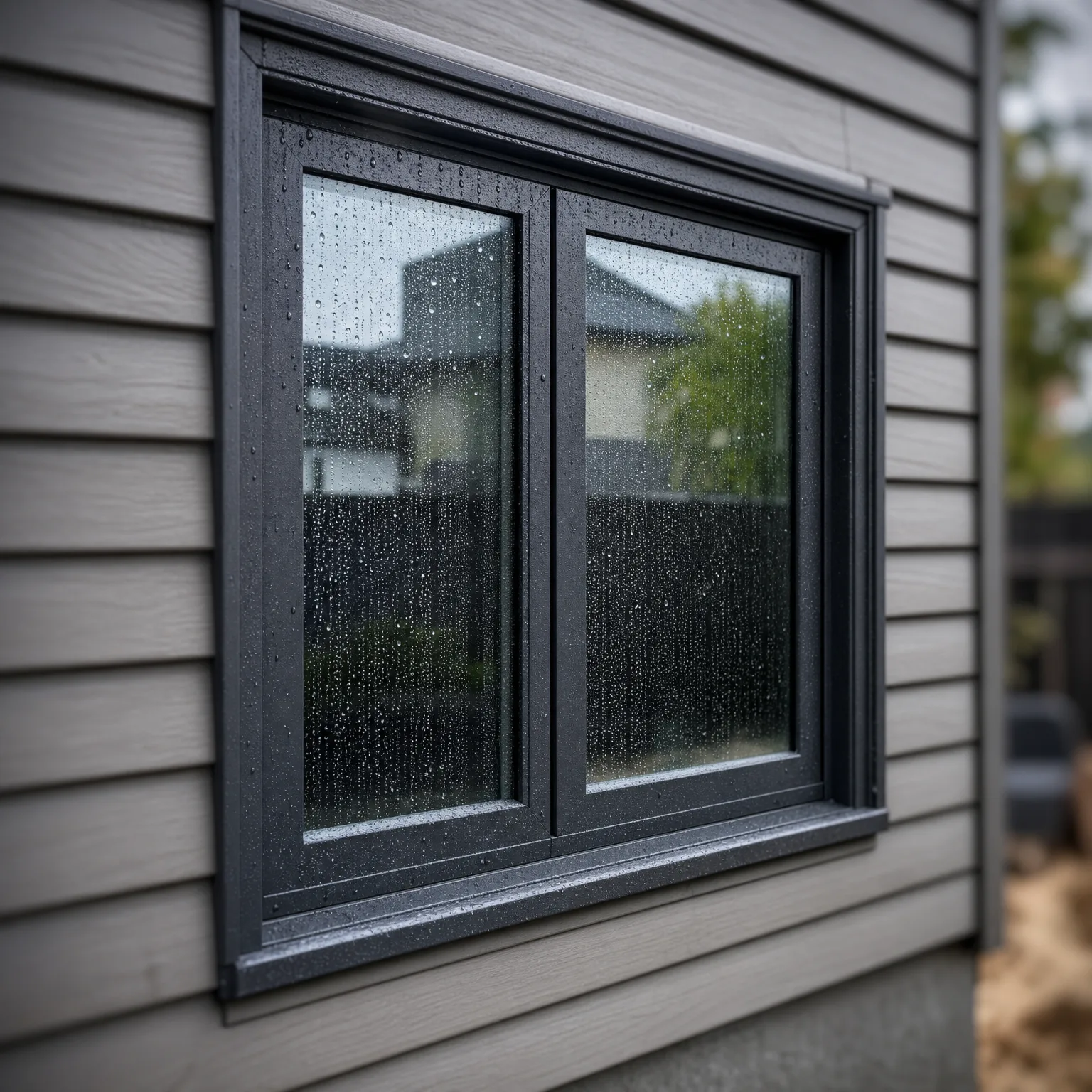
A couple expecting baby number two switches from leasing to buying
A couple with one toddler was nearing the end of a three year lease when they learned a second child was on the way. The lease had worked well while their routines were simple and predictable, but they knew the next few years would bring more errands, longer drives to appointments, and two car seats instead of one. They worried about mileage overages and wear charges on a car that would soon carry snacks, toys, and all the mess that comes with a baby.
They decided to buy their next car instead of signing a new lease. They chose a model with enough rear seat room for two car seats and financed it with a loan they could pay off before their second parental leave began. The higher monthly payment was harder at first, especially with one income reduced during leave, but they adjusted other parts of their budget to make room. By the time their second child arrived, the car was fully theirs to use and modify as needed, with no lease inspection waiting at the end and no limit on how many miles a busy family with two young kids might put on it.

Does my insurance cost more if I lease instead of buy a car?
Often yes, because leasing companies usually require higher liability limits and additional coverages than state minimums require. Check your lease agreement for the exact coverage requirements, since they vary by leasing company. If you buy with a loan, your lender will have its own required coverages too, so compare both before assuming leasing is automatically more expensive to insure.
What happens to my car seat if I'm in an accident with a leased car?
Most manufacturers recommend replacing a car seat after a moderate or severe crash regardless of whether the car is leased or owned. Check your policy for coverage of car seat replacement, since this varies by insurer and sometimes requires a specific add on. The leasing company has no say in this decision, since the car seat belongs to you, not to the vehicle.
Should I add more coverage before my baby is born or after?
Before, if possible, since coverage changes take effect faster when there's no rush during a hospital stay or the first weeks home. Check how long your insurer needs to process changes and whether you can schedule an increase to start before your due date. If finances are tight, prioritize the coverages that protect passengers and liability first, since those matter most once your child is riding in the car.