Is It Better to Trade In a Car or Drive It Until It Dies
Trade in when your car can't safely or reliably carry your growing family; otherwise, keep driving it until repairs outpace its worth.
Free to compare
A two-door coupe and a due date eight weeks out
A couple expecting their first child were driving a two-door coupe with a tight back seat. Installing the car seat meant the driver's seat had to sit so far forward that driving became uncomfortable on anything longer than a short trip. They also realized that loading a baby into the back seat of a two-door car, especially in bad weather, was going to be a daily struggle rather than an occasional annoyance.
They decided to trade in before the baby arrived rather than after, since shopping for a car is easier without a newborn in tow. They looked for something with easy rear-door access and a back seat that could fit the car seat without forcing the front seats forward. They kept the trade simple by not chasing a lot of extra features, since the budget was tighter with one parent planning to take unpaid leave. The new car cost more up front, but the simpler daily routine turned out to be worth more than they expected once the baby came.
The short version
Trade in if your current car can't safely fit a car seat or comfortably handle daily life with a baby. Otherwise, keep it and put the money toward savings or higher coverage limits instead. Decide based on fit and reliability, not on wanting something new.
Will a bigger car actually cost more to insure?
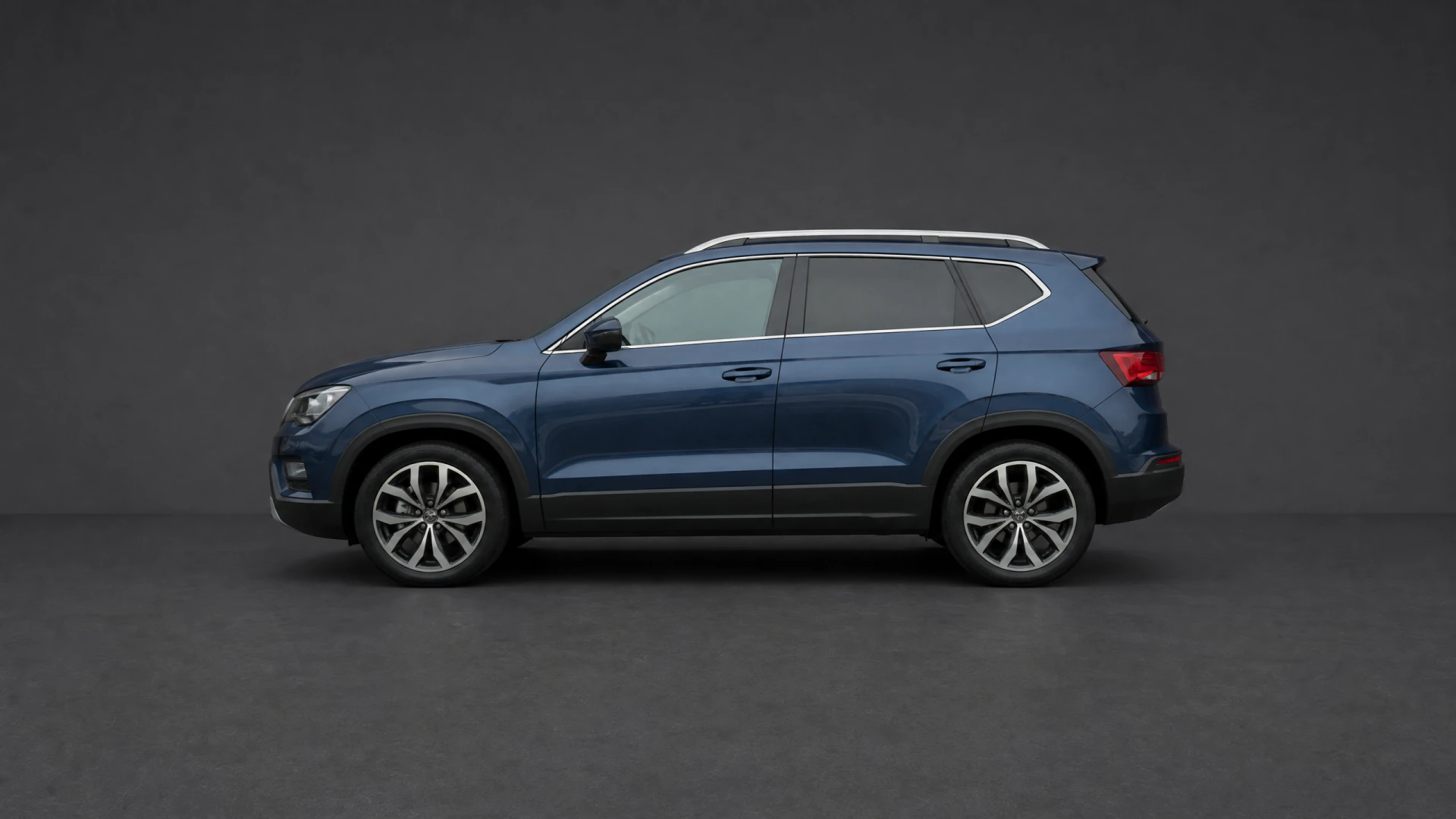
Not necessarily. Insurance cost depends more on the specific vehicle's safety record, repair cost, and theft rate than on its size alone. Some larger vehicles with strong safety ratings cost about the same to insure as smaller ones, while some small cars with poor crash ratings or expensive parts cost more than you'd expect.
Before you buy, get a quote on the specific make and model you're considering rather than assuming based on category. If you're torn between two vehicles, this can be the detail that settles it. It's also worth checking whether your insurer offers any adjustment for added safety features, since many newer family vehicles include them standard.
Once you know whether you're trading in or keeping your car, compare quotes for that choice so you're not overpaying.

Deciding now versus waiting until after the baby arrives
If you do
Shopping before the due date means you can test car seat fit, compare vehicles without a crying baby in tow, and update your policy calmly. You arrive home from the hospital already set up, with one less thing to figure out during the hardest, most sleep-deprived weeks.
If you don't
Waiting until after the baby comes means car shopping with a newborn, less patience, and more pressure to decide fast. You may end up settling for whatever's available instead of what actually fits, and you'll be making a big financial decision while running on very little sleep.
What actually determines whether you should trade in
- Car seat fit If the car seat doesn't install correctly or forces the front seat too far forward, that's a real safety issue, not just a comfort one. Test it in the actual car before deciding either way.
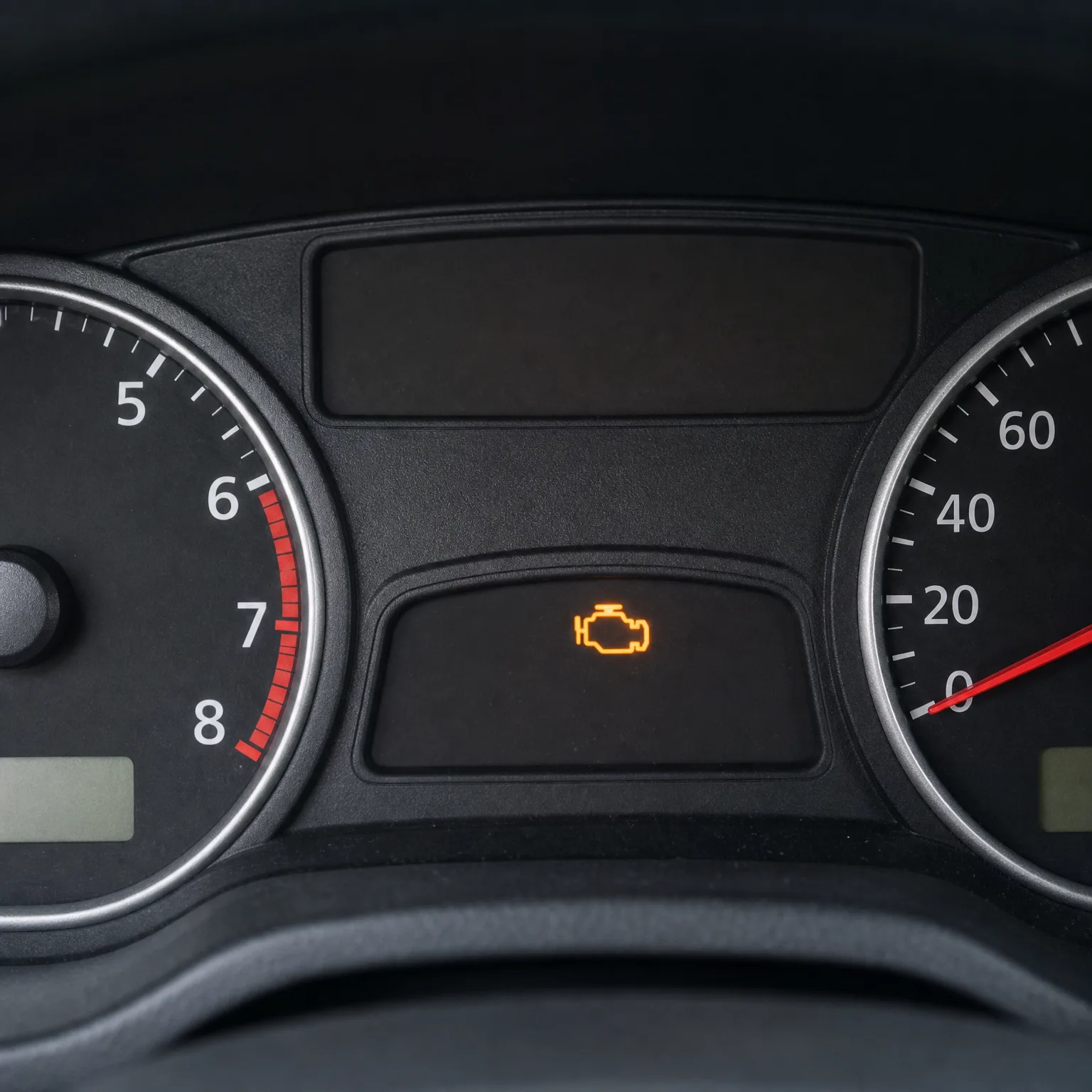
- Reliability under pressure A car that strands you occasionally is a bigger risk with a baby depending on you. If repairs are becoming frequent, that tips the scale toward trading in.
- Access and daily ease Two-door cars, high step-ins, and tight back seats become real daily friction with a car seat. Think about how you'll load and unload the baby every single day, not just occasionally.
- Budget during leave A new payment on top of reduced income during parental leave can strain things fast. Run the numbers on one income before committing to a new loan or lease.
- Car seat after a crash Most manufacturers recommend replacing a car seat after a moderate or severe crash, even if the car itself is repairable. Check your insurer's policy on covering car seat replacement so you know what's included.