Medical Benefits vs Medical Payments Coverage
Medical payments coverage and PIP both pay medical bills after a crash, but they cover different things and aren't required in every state.
Free to compare
Why these two coverages get confused and why it matters now
Medical payments coverage, usually called MedPay, is a simple add-on that pays medical bills for you and your passengers after a car accident, no matter who caused it. It's optional in most states and has a set limit you choose when you buy your policy. Personal Injury Protection, sometimes called PIP, is broader. Depending on your state, it can also cover lost wages, childcare help, or funeral costs, and in some states it's required rather than optional.
The real difference comes down to what counts as a medical benefit. MedPay sticks to medical and sometimes dental bills. PIP can stretch further into the costs that pile up when a parent can't work or needs help at home with a new baby. Which one your policy offers, or whether you're offered both, depends entirely on your state's rules.
For a family with a baby on the way or already here, this distinction is worth sorting out now, not after a crash. A car seat that's been in even a minor accident usually needs replacing, and a newborn's first ER visit after a collision can run up bills fast, even with health insurance, before deductibles and copays are sorted out. Having MedPay or PIP means those bills get paid quickly, without waiting to prove who was at fault.
If you're not sure which one your policy includes, check your declarations page for either term, or ask directly. Some states default to one over the other, and some let you choose or decline. That one phone call tells you exactly what you're working with.
The short version
MedPay and PIP both pay medical bills after an accident regardless of fault, but PIP can also cover lost wages and related costs, and in some states it's mandatory while MedPay is optional. Check your declarations page to see which one you have. Then decide if your limit is high enough for a family that now includes a newborn.
A rear-end collision with a baby in the back seat
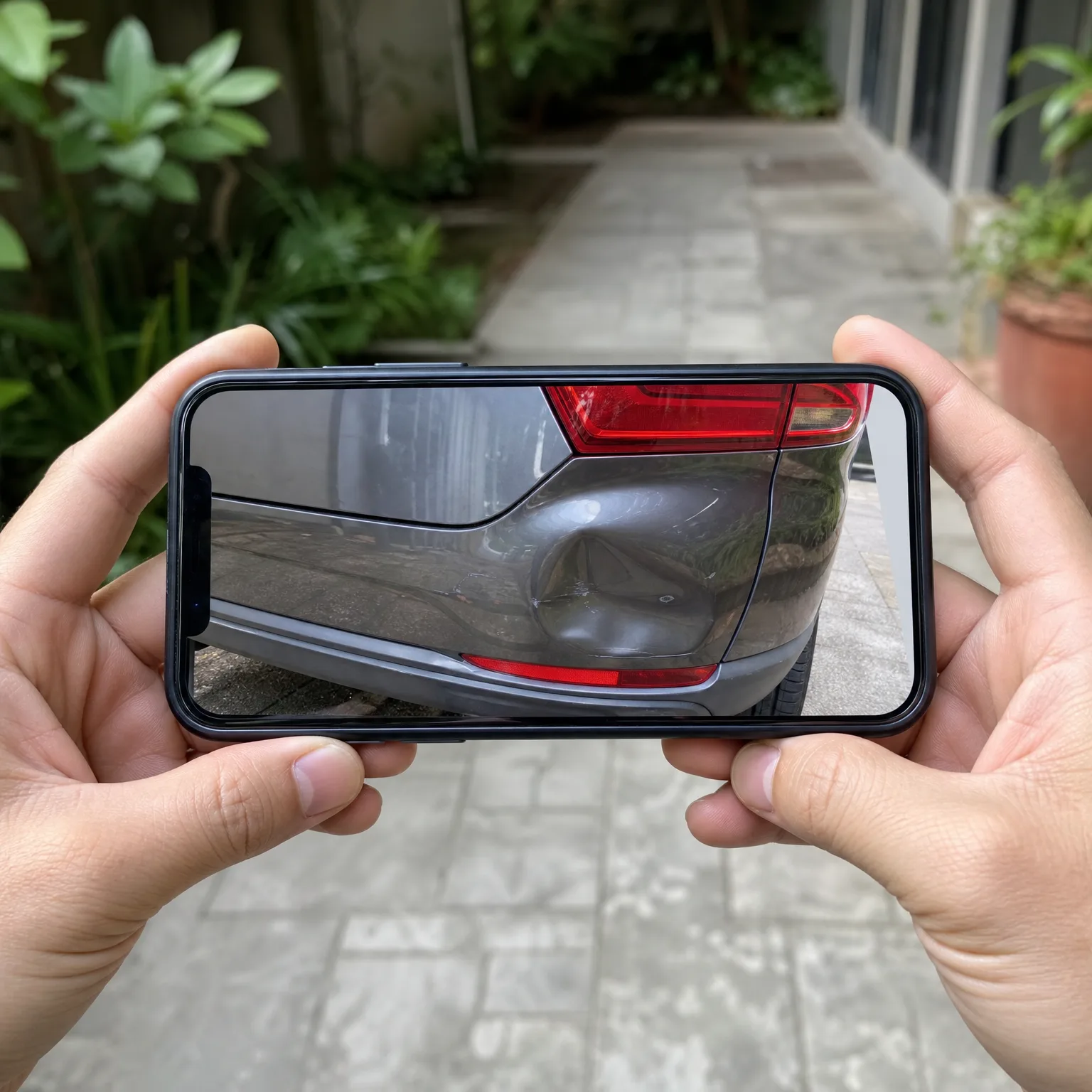
A father is stopped at a light with his three-month-old in the back when another driver rear-ends him. Nobody is seriously hurt, but the baby is taken to the ER as a precaution, and the car seat is visibly cracked. He assumed his health insurance would cover the ER visit eventually, but the copay and deductible were due immediately, and the car seat needed replacing before he could drive his daughter anywhere again.
He called his insurer and found out he had MedPay with a modest limit, which covered the ER copay and the car seat replacement without any argument over fault. Because the other driver was clearly at fault, he also filed a claim against that driver's liability coverage for the rest, but that process took weeks. The MedPay payout came through in days, which mattered most right when he needed it. Afterward, he raised his MedPay limit, figuring a bigger cushion was worth the small cost now that a car seat and a child's ER visit were real possibilities, not hypotheticals.
Now that you know what medical benefits actually cover, compare quotes to see what limit fits your family's situation.
Should I raise my MedPay or PIP limit now that I have a baby?
Probably, if your current limit is low and your state allows you to adjust it. A single ER visit for an infant after even a minor crash can use up a small limit quickly, and a car seat replacement adds to that fast. Raising the limit usually costs little compared to the gap it closes.
The right amount depends on your state's rules, your health insurance deductible, and how much cash you'd want available without waiting on a fault determination. If your health insurance has a high deductible, a bigger MedPay or PIP limit matters more, since it's often the first money that actually reaches you. Ask your insurer what raising the limit would cost and compare that to the peace of mind of not worrying about an ER copay or a car seat bill showing up the same week as a hospital bill.

Whether to raise your medical payments or PIP limit now
If you do
A higher limit cushions the next ER visit, ambulance ride, or car seat replacement after an accident. Money arrives fast, without waiting to see who was at fault, which matters in the sleep-deprived weeks after a baby arrives. The added cost is usually small next to the protection it buys.
If you don't
You keep whatever limit you have now, which might be fine if it's already generous or your deductible is low. But several medical bills at once, including one for a child, can drain a low limit fast, leaving you to cover the rest yourself while a liability claim gets sorted out.
Does MedPay cover a car seat that gets damaged in an accident?
MedPay itself only covers medical and sometimes dental bills, not property like a car seat. A car seat replacement usually falls under your collision coverage or the at-fault driver's property damage liability, depending on who caused the crash. Check your policy for car seat replacement language specifically, since some insurers include it automatically after any accident involving a child seat, regardless of fault, while others require you to file a separate claim.
Do I need PIP if I already have good health insurance for my family?
It depends on your state, since PIP is required in some places regardless of your other coverage. Where it's optional, good health insurance reduces how much you need PIP for medical bills specifically, but PIP often covers things health insurance doesn't, like lost wages during parental leave or help with childcare while you recover. Check what your state mandates and what gaps remain after your health plan pays its share.
Can I use MedPay or PIP for a passenger who isn't my child but was in my car?
Yes, MedPay and PIP typically cover any passenger in your car at the time of the accident, not just family members. This includes a babysitter, a relative, or a friend riding along. Limits apply per person or per accident depending on your policy, so check your declarations page to see how coverage is structured if you often drive with others in the car.