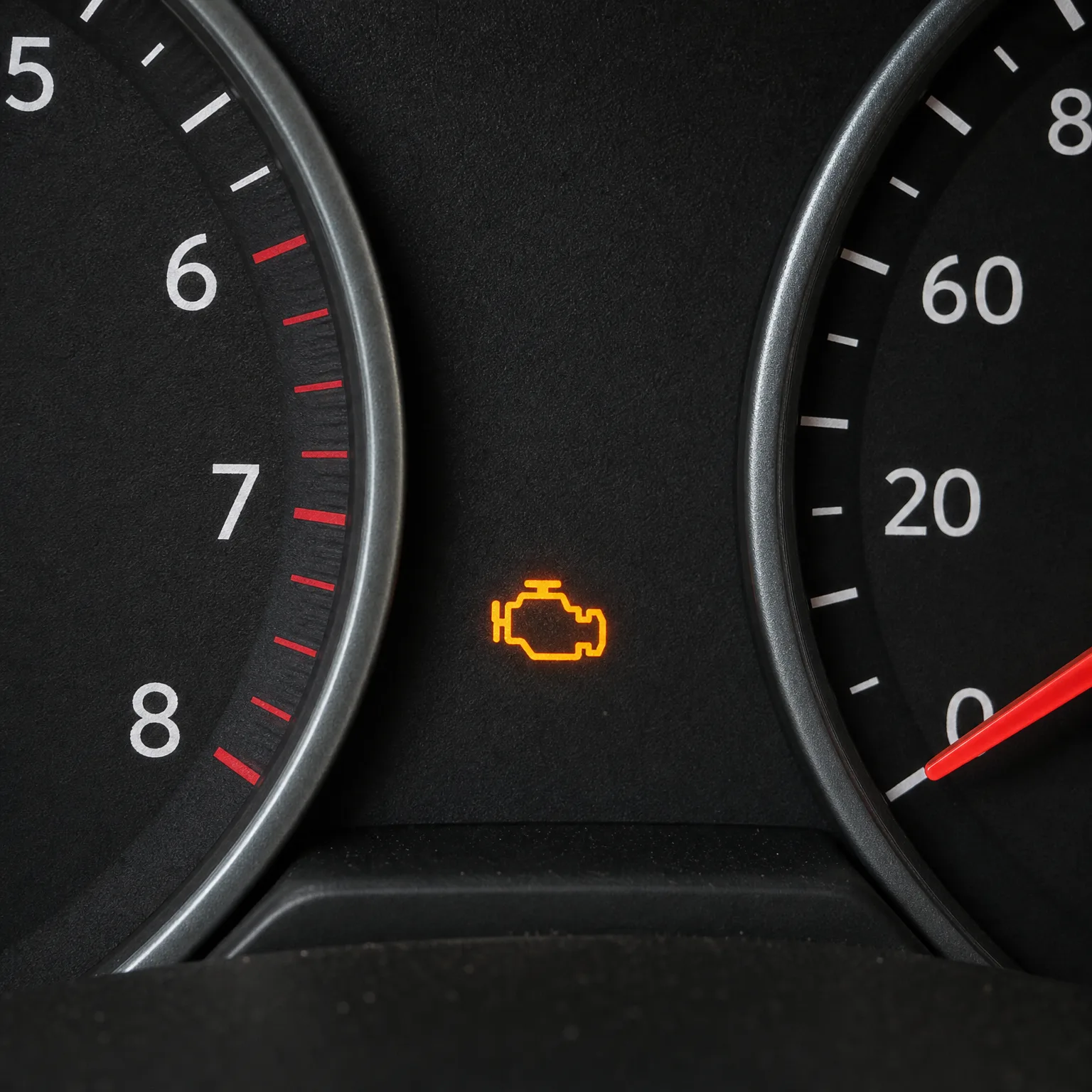
What Happens if Your Engine Blows and You Still Owe Money
If your engine fails from wear or age, you likely still owe the full loan because car insurance doesn't cover mechanical breakdowns.
Free to compare

What actually happens when the engine goes
- Insurance checks the cause first A claims adjuster decides whether the engine died from a covered event like a collision or fire, or from wear and tear. Wear and tear isn't covered, so don't assume a payout is coming before you hear back.
- The loan doesn't disappear Your lender still expects payments whether or not the car runs. Call them as soon as you know there's a problem so you understand your options before you fall behind.
- Gap coverage has limits If you have it, gap coverage pays the difference between what you owe and what the car is worth, but only after a covered total loss, not a mechanical failure. Check your policy documents to see if you even carry it.
- Don't drop coverage too fast If the car won't run and you stop paying for comprehensive and collision because you think it's pointless, you could be exposed if something else happens to it while it sits. Talk to your insurer before you change coverage on a disabled car.
- Repair or replace the car Compare the cost of fixing the engine against what you still owe and what the car is worth running again. Sometimes paying off a totaled-feeling car to get a fresh start makes more sense than sinking money into a repair.

The short version
If your engine blows from normal wear, insurance won't pay for it, and you still owe your lender regardless. Call your lender right away to talk through options, and check whether you have mechanical breakdown coverage or gap coverage before assuming either applies here.
A commuter's engine seizes two years into a six year loan
A driver's engine seized on the highway after years of regular commuting. No warning lights, no accident, just years of mileage catching up to an aging engine. They called their insurer first, hoping for help, and learned quickly that standard auto insurance treats this as mechanical failure, not a covered loss. No claim, no payout.
They called their lender next and explained the situation honestly. The lender wasn't able to forgive the loan, but they could explain the remaining balance clearly and discuss what would happen if the driver stopped paying. The driver compared the repair estimate, which was steep, against the car's actual value and what they still owed. The math didn't favor repairing it. They ended up selling the car for parts, paying the remaining difference out of pocket, and financing a different car. It wasn't the outcome they wanted, but knowing the real numbers early let them make the call before missed payments did any damage to their credit.
Once you know what your coverage won't pay for, compare quotes to make sure the rest of your policy actually fits.
Why your policy stops where the engine starts
Car insurance exists to cover sudden, accidental events like collisions, theft, fire, and weather damage. An engine wearing out over years of normal use isn't sudden or accidental, it's the expected result of driving the car. Insurers price policies around unpredictable risk, and an aging engine is predictable, so it falls outside what the policy promises to pay for.
Your loan works on a completely separate logic. The lender gave you money for the car itself, and that debt exists independent of whether the car still runs. Nothing about the engine failing changes the contract you signed, which is why people are often surprised that two systems they assumed worked together, insurance and financing, actually don't overlap here at all.
There are coverages built specifically for this gap. Mechanical breakdown insurance, where available, can cover certain engine and component failures outside of a standard warranty, but it's a separate add on, not something bundled into a typical policy automatically. Extended warranties from a dealer work similarly but come from a different source entirely. Check what you actually have before assuming either applies, since availability and terms vary by insurer and by state.
The one case where your auto insurance would actually pay out is if the engine failure was caused by a covered event, like a flood, a collision that damaged the engine directly, or a fire. In those cases, it's not treated as mechanical failure at all, it's treated as damage from the event, and the claims process runs differently from the start.
The real risk isn't the engine, it's assuming your insurance and your loan are connected when they aren't.
Does gap insurance cover a blown engine?
No, gap insurance only applies after a covered total loss, like a totaled car from an accident or theft, not a mechanical failure. It pays the difference between your loan balance and the car's value in that specific situation. If your engine fails from wear and tear, there's no total loss claim to trigger it, so check your policy to see if you even have gap coverage before counting on it here.
Is mechanical breakdown insurance worth adding to my policy?
It depends on your car's age, your driving habits, and what your current warranty still covers. If your car is newer and still under a manufacturer warranty, added coverage may be redundant for now. If it's aging out of warranty and you plan to keep driving it for years, it can be worth pricing out, since availability and cost vary by insurer and state.
Can I return a car to the lender if I can't afford to fix it?
Sometimes, through a voluntary repossession, but it usually hurts your credit similarly to an involuntary one and you may still owe the difference between what the car sells for and your remaining balance. Talk to your lender directly about what this would look like for your specific loan before deciding, since terms and consequences vary by lender and by state.