Who Is Covered Under Permissive Use
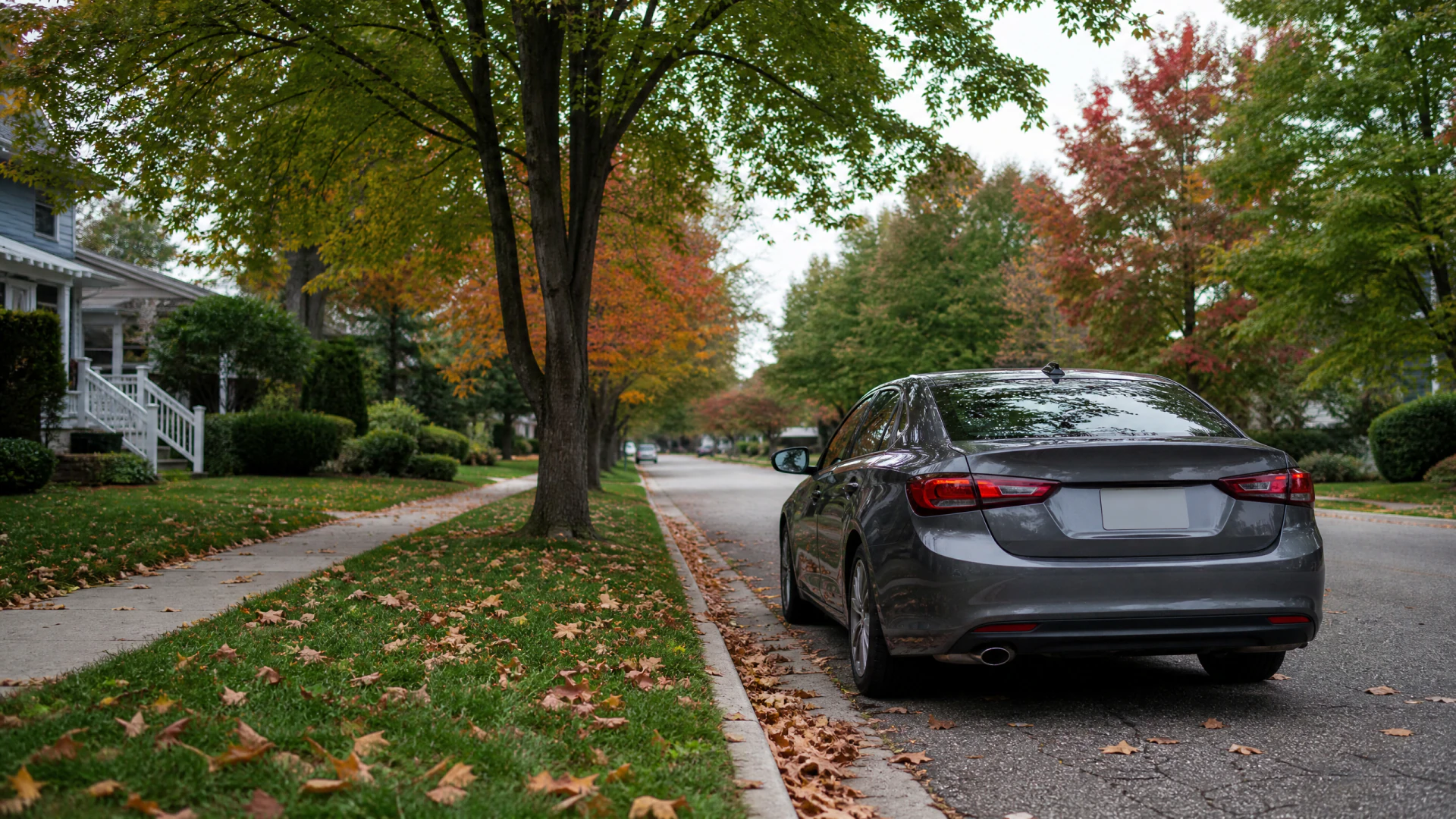
If you let someone borrow your car with your okay, your policy generally covers them while they drive it.
Free to compare
Your policy follows the car, and permission opens the door
Car insurance is built to follow the vehicle first, not just the person named on the policy. When you buy coverage, you're insuring the car against the risks of being driven, and that protection extends to whoever is driving it with your consent. That's what permissive use means. You told them they could take it, so your insurer treats their driving the way it would treat yours.
The reasoning behind this is practical. People lend cars to friends, family, and neighbors all the time, for an afternoon or a weekend, and insurers long ago accepted that writing coverage only for the named driver would make policies useless in everyday life. So the default assumption is permission equals coverage, unless that driver is excluded by name or falls outside the bounds of what you allowed.
Where it gets complicated is in the word permission itself. If you lend your car to someone for a grocery run and they instead drive it across the state for a weekend trip, some insurers say that's outside the scope of what you agreed to, which can affect coverage. The same goes for someone who was told no and took the car anyway. Permissive use protects invited use, not unauthorized use.
This is also where state rules and insurer policies diverge. Some states lean heavily toward covering any driver with even implied permission, while others scrutinize the scope of consent more closely. Insurers differ too in how they define permission and investigate claims involving a borrowed car. Check your policy's language on permissive use and ask your insurer directly how they'd handle a driver who isn't on your policy, especially if that person drives your car often.
What decides whether someone is covered
- You gave real permission If you said yes, out loud or by habit, that's permission. Make sure anyone who regularly drives your car actually has your clear okay, not just an assumption.
- Use stayed within the ask Borrowing for an errand is different from an extended trip you didn't agree to. Be specific when you lend your car so there's no gray area later.
- No exclusion on your policy Some policies list excluded drivers, often someone in the household with a bad record. Check your declarations page for any exclusions before you hand over your keys.
- How often they drive matters A one-time borrow is different from someone who drives your car weekly. If that's your situation, tell your insurer and ask if that person should be added instead.
- Their insurer may still matter Permissive use on your policy doesn't always mean their insurer stays out of it. Ask how claims would be coordinated if the driver carries their own coverage.

When a new grandparent borrows the car for a hospital run
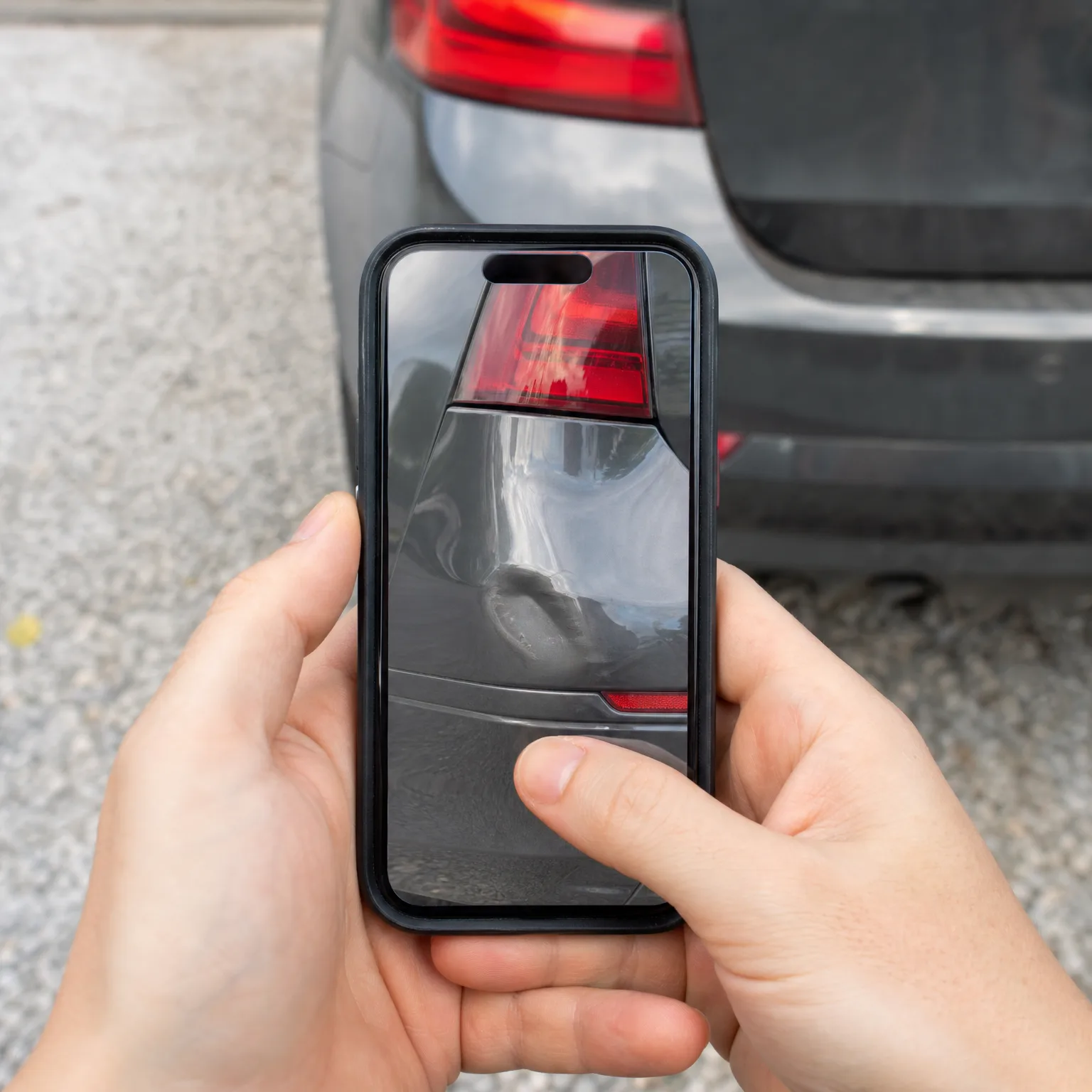
A father on paternity leave asked his own mother to use his car to pick up supplies while he stayed home with the newborn. She wasn't listed on his policy and didn't drive his car often, but he'd given her clear permission to take it that day. While backing out of a parking space, she clipped another vehicle.
Because he had given her actual, specific permission to drive the car for that errand, his insurer treated the claim as a normal claim under his policy, the same as if he'd been driving. His rates were affected the way they would be after any claim, but there was no dispute about whether she was covered. He later called his insurer to ask whether he should list her as an occasional driver going forward, since newborn errands meant she'd likely be borrowing the car again, and his insurer explained that adding her would avoid any ambiguity the next time.
Now that you know who's covered when you lend your car, compare quotes that fit how your family shares driving.

Should you add a frequent driver instead of relying on permissive use
If you do
Adding them means your insurer has full visibility into who drives the car and how often. Claims process faster with no questions about permission. Your premium may adjust to reflect the added risk, but you avoid disputes later, which matters a lot once a child's car seat and safety are involved.
If you don't
Relying on permissive use works fine for occasional borrowing, but if that person drives often, undisclosed frequent use can raise questions during a claim. Your insurer could ask why a regular driver was never listed, which can slow down or complicate payment right when you need it most.
Does permissive use cover a babysitter driving my car with my kids in it?
Yes, if you gave them permission to drive, the car is covered the same as with any permissive driver, and your liability and passenger coverages extend to your children as passengers. Check whether the babysitter is a regular driver, since frequent use may mean your insurer wants them listed. Also confirm your policy's passenger medical or personal injury protection, since that's what actually pays for your kids if there's a crash.
What happens to my car seat if someone borrowing my car crashes it?
Your policy's coverage for the car itself and any injury coverage would apply the same way as if you'd been driving, since permissive use means the claim runs through your policy. Many insurers also have a separate provision that pays to replace a car seat involved in any accident, regardless of fault, because car seats are considered single-use safety equipment after a crash. Ask your insurer specifically about car seat replacement coverage and what documentation they need.
Do I need to tell my insurer when someone new regularly drives my car?
Yes, you should tell your insurer once someone drives your car often, rather than just occasionally. Insurers base your premium partly on who's expected to drive the car, so an undisclosed regular driver can be treated as a misrepresentation if a claim happens. The threshold for what counts as regular varies by insurer, so ask directly rather than guessing, especially if a partner or family member started driving your car more often after your baby arrived.

The real risk isn't lending your car, it's never telling your insurer who actually drives it now.