What Does Permissive Use Mean in Insurance
Permissive use means your policy follows the car, so anyone you let drive it is covered under your limits, not their own.
Free to compare
Your policy protects the car, not just you as the named driver
Car insurance is built around the vehicle first. When you hand someone the keys with your blessing, whether that's your partner, a parent helping out during those first sleepless weeks, or a friend driving you home from the hospital, your policy generally extends to them for that drive. Their own insurance, if they have any, typically sits behind yours and only helps if your coverage runs out.
This matters more right now because your household is about to have more hands touching that car. Someone might drive your car to pick up supplies while you're on bed rest, or take you to an appointment because you shouldn't be behind the wheel yourself. As long as you gave them permission, spoken or just understood from how things work in your house, they're typically driving under your coverage.
Where this gets uncertain is repeated use. If someone borrows your car constantly, some insurers expect you to add them to the policy instead of relying on permissive use every time. The line between occasional and regular isn't fixed, and insurers draw it differently, so this is worth a direct call rather than an assumption.
State rules also differ on how firmly permissive use is enforced and how disputes get resolved if the driver and owner disagree about whether permission was given. If you're not sure how your state or your insurer treats this, ask them directly before you need the answer in a crisis.
When your mother-in-law drives your car to the pediatrician
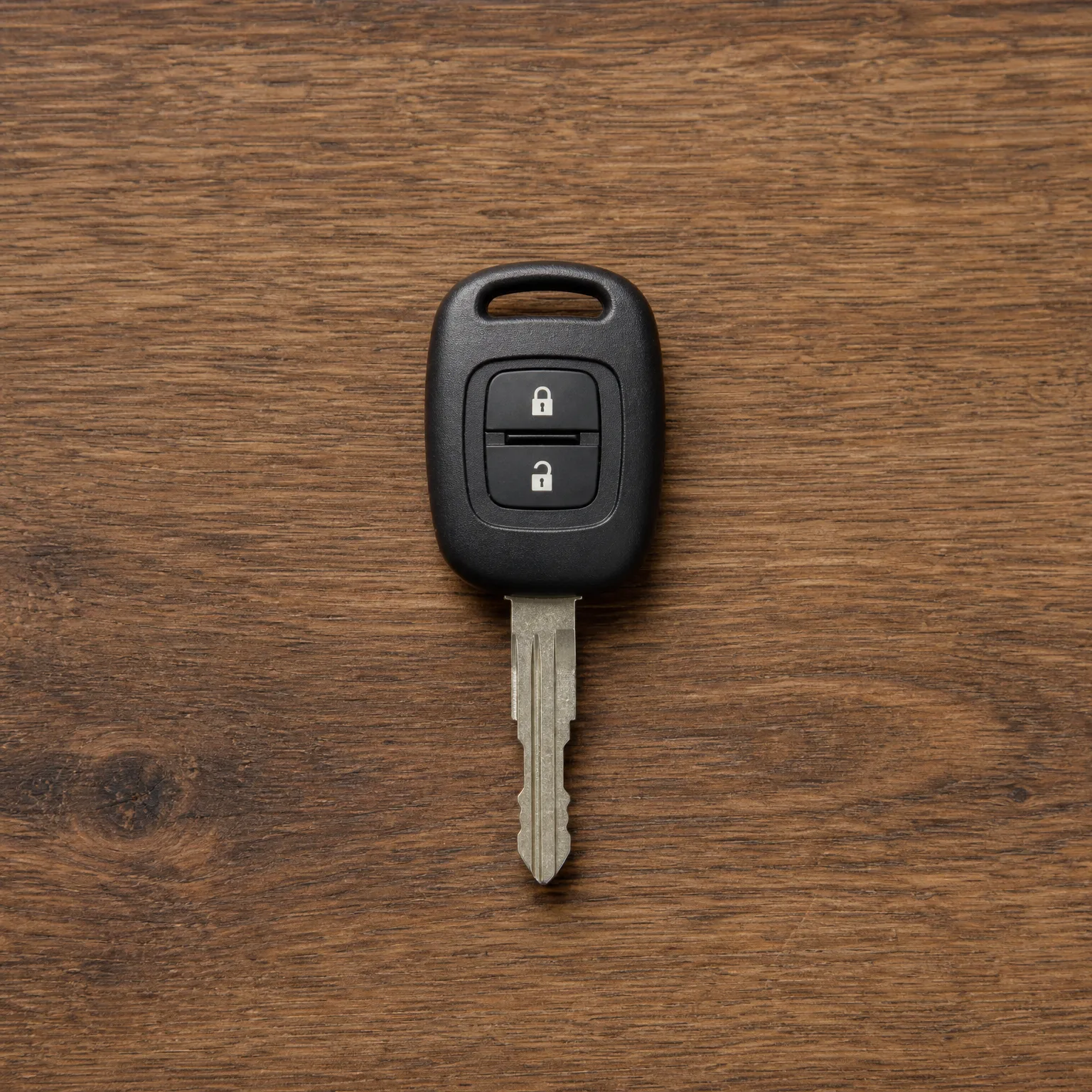
Say your mother-in-law is staying with you for the first few weeks after the baby comes. One afternoon she takes your car to a pediatrician appointment while you rest. On the way, someone rear-ends her at a stoplight. She wasn't on your policy as a listed driver, and she doesn't carry her own insurance where you live.
Because she had your permission to use the car, your policy responds the way it would if you'd been driving. The claim gets filed under your coverage, your limits apply, and the other driver's damage and any injuries get handled through your policy just as they would for you. You'd still want to call your insurer right after the accident to confirm how they're treating it, since every claim gets reviewed on its own facts. But permissive use is exactly why this situation doesn't leave her, or you, without a path to coverage.
The real risk isn't who's driving, it's whether your limits are high enough now that a child depends on you.
Once you know who's covered behind the wheel, compare quotes to make sure your limits match what your family needs now.

What to settle before someone else drives your car
- Confirm who's permitted Permission can be spoken or just understood, like a spouse who always has access. If it's a one-time favor, say so clearly so there's no confusion later.
- Watch for regular borrowers If the same person drives your car often, some insurers want them added to the policy. Call and ask where your insurer draws that line.
- Check your coverage limits Permissive use still runs through your limits, not a separate pool of money. With a child in the car more often, this is the moment to review whether those limits are enough.
- Report household changes A new driver living with you, a new car seat, or a change in who regularly drives can affect your policy. A quick update now avoids surprises during a claim.
- Ask about excluded drivers Some policies name people who are specifically not covered, even with permission. If anyone in your life has ever been excluded, check that this hasn't carried forward.

Does permissive use cover errands and babysitting trips too?
Yes, in most cases. If you gave someone permission to use your car, the reason they're driving, whether it's a grocery run, a diaper delivery, or taking your other child to school while you're home with the newborn, doesn't usually change whether coverage applies. What matters is that you allowed the use, not the specific errand.
Where it can get complicated is if the car was being used for something outside what you'd reasonably expect, like a long road trip you never agreed to, or regular use that's turned into something closer to a second driver. Insurers look at the pattern, not just the single trip. If someone is becoming a regular presence behind the wheel of your car, it's worth adding them formally so there's no argument later about what you actually permitted.