What Happens When You Go Upside Down on a Car Loan
Being upside down means you owe more than the car is worth, so a totaled car could leave you paying for a vehicle you don't have.
Free to compare
What to check and do if you owe more than the car is worth
- How upside down you are Compare your loan payoff amount to the car's actual value, not what you paid for it. This gap is what you'd owe out of pocket if the car were totaled tomorrow.
- Gap coverage This pays the difference between what you owe and what the car is worth if it's totaled or stolen. If you're upside down, this is the coverage that protects your household budget, not just the car.
- Your loan terms Longer loans and small down payments are the usual reasons people end up upside down. Check if your lender allows extra payments without a penalty, since paying down principal faster closes the gap.
- Trading in early Trading in while upside down usually rolls the difference into your new loan, making you upside down again from day one. Avoid trading in until you're closer to even, if you can wait.
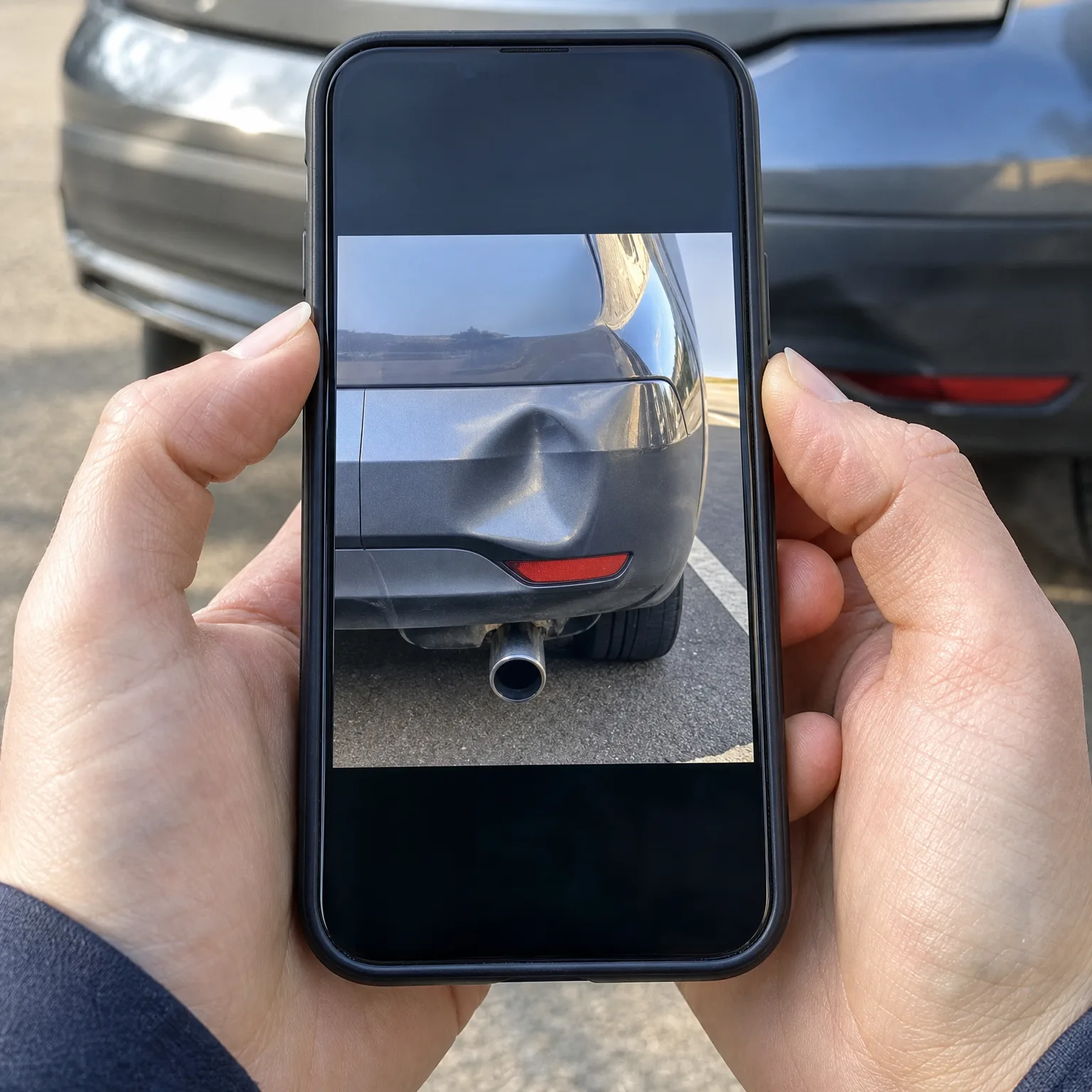
- What happens after an accident If the car is totaled, your insurer pays its value, not your loan balance. Without gap coverage, you keep paying the loan even though the car is gone.
When a totaled car leaves a loan behind
A couple bought a car two years before their daughter was born, putting little down and stretching the loan to keep payments low. After the baby arrived, they upgraded to a larger vehicle for the car seat and rolled the remaining loan balance into the new purchase. They didn't realize how far upside down that made them until a routine quote renewal sent them checking.
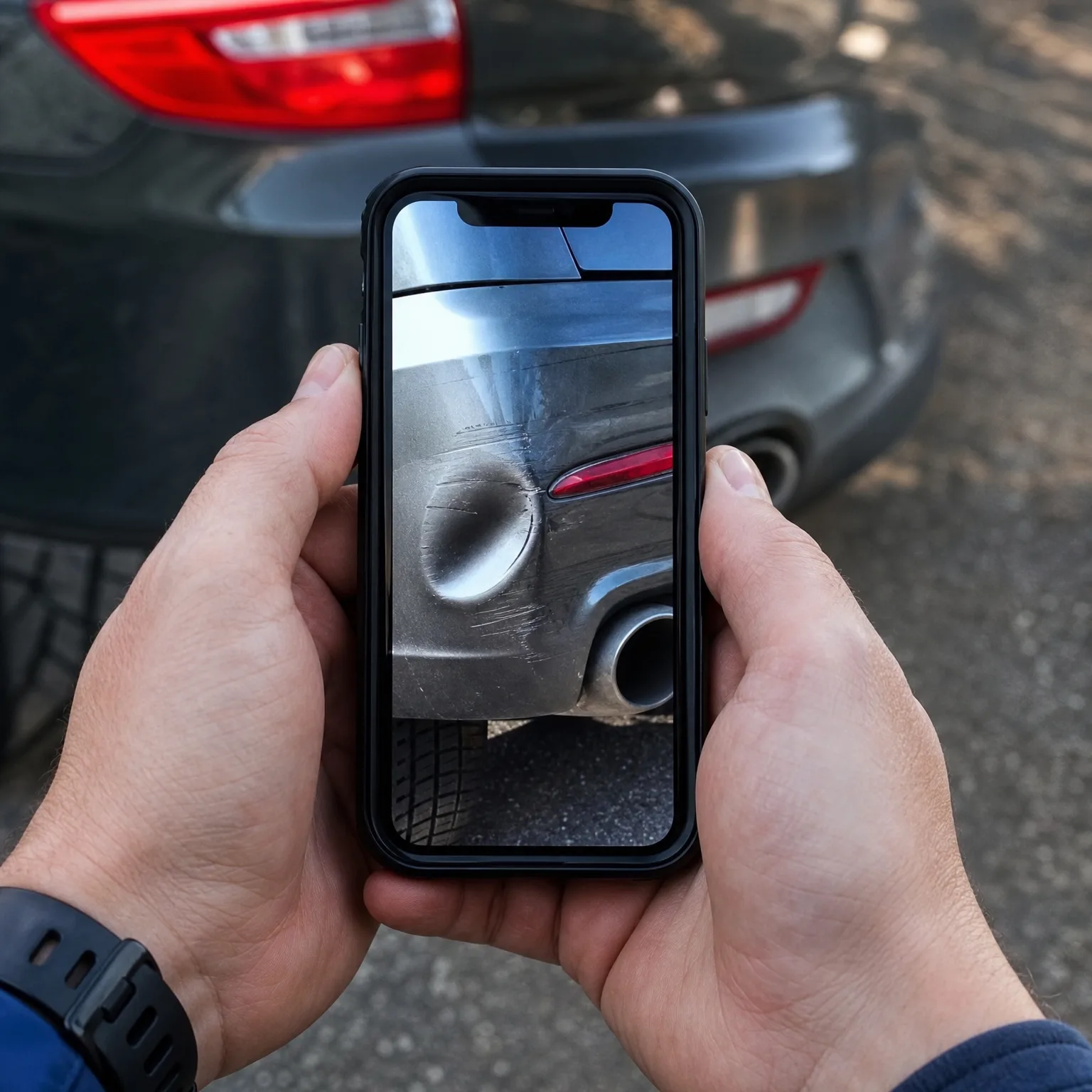
When they looked at their payoff amount against the car's actual value, the gap was large enough that they could not have covered it from savings. They added gap coverage to the policy, which cost very little added to their premium. A few months later, another driver totaled the car in a parking lot. The insurer paid out the car's value, and gap coverage covered the rest of the loan balance, so they walked away without still owing on a car they no longer had.
The loan balance and the car's worth are different numbers, and insurance only pays one of them.
Compare quotes now that you know whether gap coverage belongs on your policy.
Why the loan balance and the payout rarely match
A car loses value the moment you drive it off the lot, but your loan balance doesn't drop nearly as fast, especially early on. That mismatch is what being upside down actually is. Insurance never pays off a loan. It pays the value of the car at the time it was lost, based on condition, mileage, and market prices, regardless of what you still owe.
This gap is usually largest right after you buy, because that's when depreciation is steepest and your loan balance is highest. It's also larger with small down payments, long loan terms, or when a trade-in's negative equity gets rolled into a new loan, which is common when families upgrade vehicles for a bigger car seat or more room. Each of these makes the loan shrink more slowly than the car's value does.
Gap coverage exists specifically to close this space. It isn't required everywhere and isn't offered by every insurer the same way, so check whether your state or lender requires it and how your insurer structures it. Some lenders require gap coverage as a condition of the loan itself, especially with little money down.
The exception is when you've paid down enough of the loan, or put enough down originally, that your balance tracks closely with the car's depreciating value. At that point the gap narrows or disappears, and carrying extra coverage for it stops making sense. Checking your numbers periodically, especially after a trade-in, tells you which situation you're actually in.
Does gap coverage cost a lot to add to my policy?
Usually it adds a small amount to your premium compared to the protection it offers, though the exact cost depends on your insurer, your state, and the car itself. It's worth asking for a quote with and without it so you can see the real difference rather than assuming it's expensive.
Some lenders sell gap coverage bundled into the loan itself, which is often pricier than adding it through your car insurance policy. Comparing both routes before you sign anything, or right after if you already have the loan, usually saves you money while getting you the same protection.